

Good boy/girl syndrome
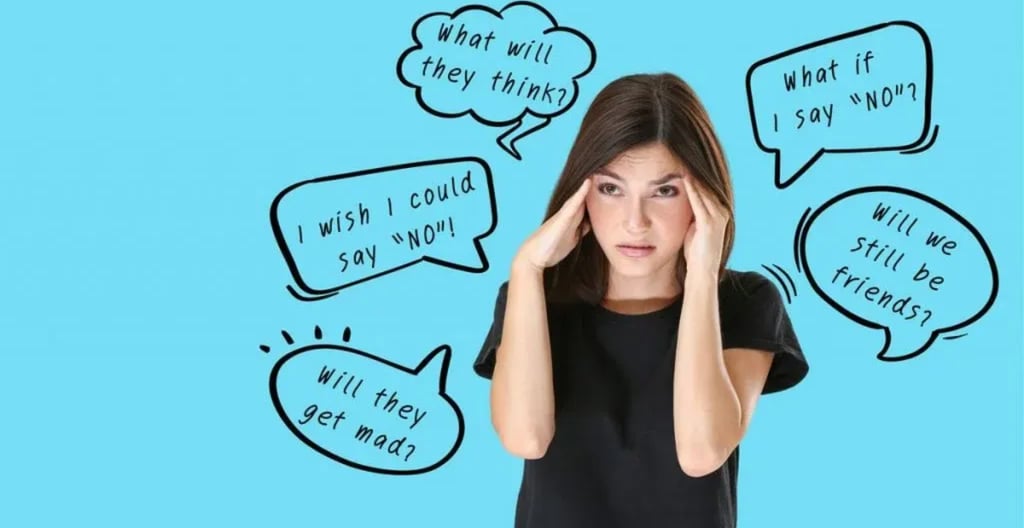

Many kind, responsible, and helpful adults carry an old pattern inside: the Good Boy / Good Girl Syndrome.
From a young age, you learned that being “good” meant putting others first, never disappointing anyone, and earning approval. That pattern, useful as a child, can become heavy as an adult.
How does the good boy/good girl syndrome show up?
You always put other people’s needs before your own
You have difficulty saying “no” for fear of disappointing or being judged
You feel guilty when you take care of yourself
You hope to receive love and recognition through what you do for others
You live with constant performance anxiety and often unbalanced relationships
The problem is not being kind or generous. The problem is having learned that your worth depends on how happy you make others.
Why is it so difficult to change?
This pattern often originates from upbringing, family, or school environments where love and approval were linked to “good” behavior. Psychology calls this conditioning based on external approval. Over time, it creates fragile self-esteem, more tied to other people’s opinions than to your own sense of worth.
How to start freeing yourself from it
Learn to say no without excessive justification. Start with small situations.
Recognize your own needs as equally important as those of others.
Cultivate internal self-esteem: ask yourself “What do I really want?” instead of “What do they expect from me?”
Work on guilt: it is a normal feeling at the beginning, but it is not a sign that you are doing something wrong.
Kindness toward others is beautiful, but it must also start with you.
Conclusion
Being the perpetual “good boy” or “good girl” does not make you more lovable. It only makes you more tired and resentful over time.
You have the right to have needs, to say no, and to be imperfect without losing your value.
If you recognize this pattern in yourself, you are not alone. Working on these patterns is one of the most liberating journeys you can undertake.