

Stress cannot be eliminated, but it can be managed

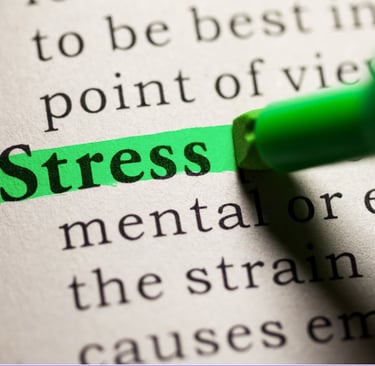
Stress cannot be eliminated but it
can be managed.
Managing stress does not mean eliminating all the difficulties in life. It means learning not to be overwhelmed by them.
Science distinguishes between two types of stress:
Eustress (positive stress): the motivating kind that helps us grow and overcome challenges.
Distress (negative stress): the chronic type that drains energy, increases cortisol levels, and damages physical and mental health.
Studies from the American Psychological Association and research on PubMed show that it is not the stressful event itself that harms us, but rather the perception of not having enough resources to cope with it.
True stress management consists of three key elements: recognizing the signals from your body, activating effective strategies, and recovering energy between challenges.
How to manage stress in practice
Deep breathing — Just 5 minutes a day (using the 4-7-8 technique: inhale for 4 seconds, hold for 7, exhale for 8). It quickly reduces cortisol and activates the parasympathetic nervous system.
Mindfulness or short meditation — Even 5-10 minutes a day can significantly reduce perceived stress and anxiety.
Regular physical activity — Brisk walking, light running, or strength training lowers cortisol levels and improves mood.
Social connections — Support from friends and family is one of the most powerful buffers against chronic stress.
Self-care routine — Sleeping 7-8 hours, eating a balanced diet, and taking short breaks during the day help prevent burnout.
Conclusion
Stress is part of life. We cannot eliminate it completely, but we can learn to manage it so that it does not consume us.
Integrating even just one or two of these habits into your daily routine can make a big difference in the medium to long term.
If you feel that stress is becoming too overwhelming to handle on your own, I am here to help you build personalized strategies. The first consultation is free.